1984 Quarter Error Guide: Visual Checklist to Identify High-Value Flaws
 By Sophia Al-Mansoor
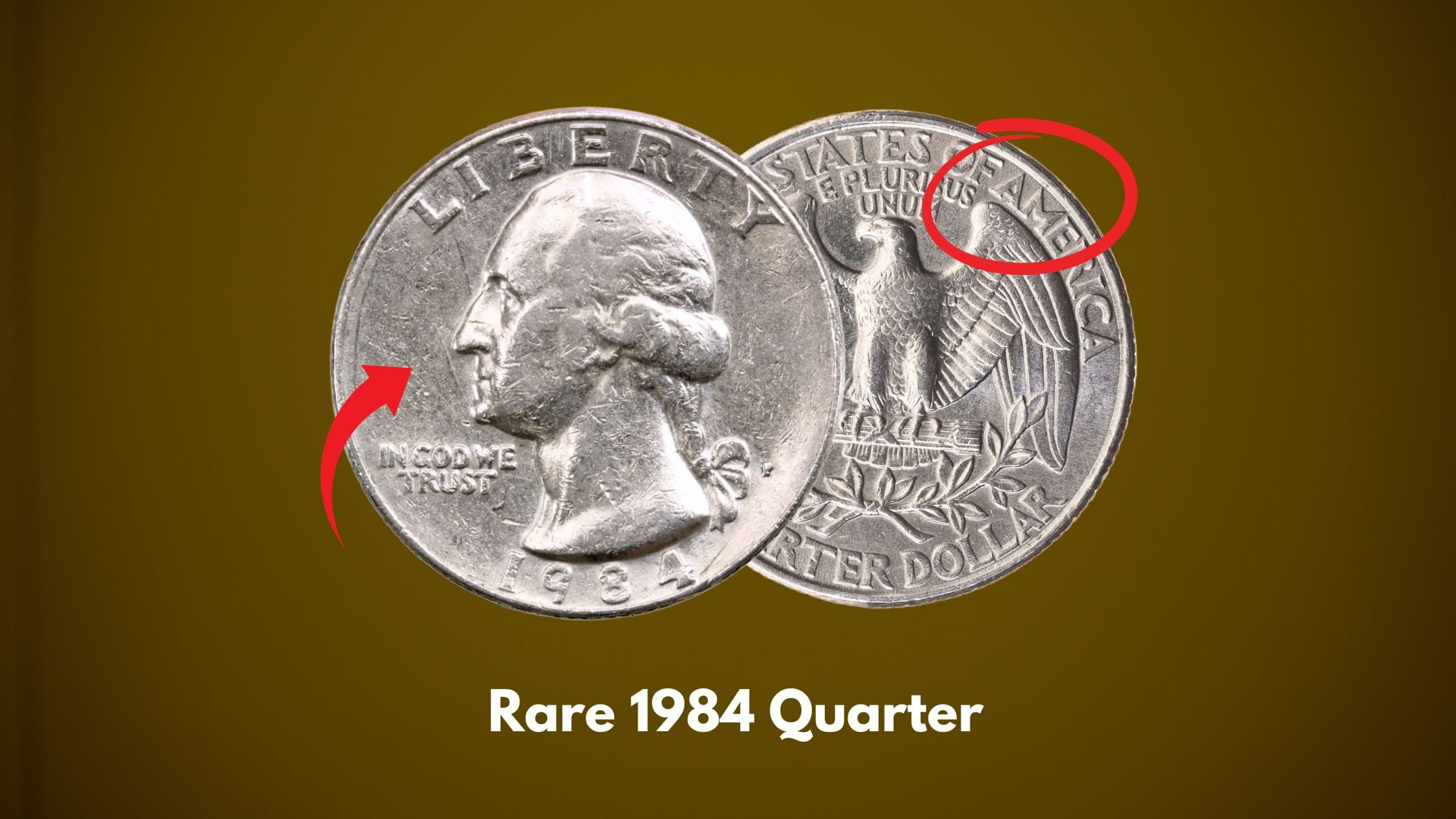
Q1: How do I know if my 1984 quarter has silver in it?
A1: Standard 1984 quarters contain zero silver. They were manufactured using an outer clad blend of 75% copper and 25% nickel surrounding a solid copper core. To verify this, look directly at the coin's edge. A copper-colored stripe running along the center confirms clad construction. A genuine clad quarter weighs exactly 5.67 grams, whereas vintage 90% silver quarters weigh 6.25 grams.
Q2: Where is the mint mark located on a 1984 quarter?
A2: The mint mark is located on the obverse (front) of the coin, situated immediately to the right of George Washington's ponytail ribbon. Coins struck in Philadelphia display a "P," those struck in Denver show a small "D," and specialized collector proof strikes from San Francisco feature an "S."
Q3: Is an off-center 1984 quarter worth money if the date is missing?
A3: Yes, but significantly less than a dated example. A dramatic off-center strike without a visible date typically sells for $20 to $50, because collectors cannot tie the physical error to a specific year. Retaining the complete, unambiguous "1984" date increases the coin's auction premium to $150 or more.
Sophia analyzes international trade, startup ecosystems, retail transformation, and supply chain logistics for modern digital publications.
